01Odoo ERP
A rack of modules, each one pulled when you need it.
We implement, migrate, and extend Odoo so every department runs from one database. Point at a blade to pull it out.
All Odoo servicesAnvexis Stack is an engineering studio for growing companies. We set up your ERP, teach it to think with AI, put it in your team's pocket, and keep it all running.
Explore servicesOdoo ERP, Applied AI, Mobile apps, Web platforms, DevOps, Integrations. Built with Odoo, Python, PostgreSQL, OWL, TypeScript, Next.js, React, FastAPI, Flutter, React Native, Docker, Kubernetes, Terraform, Redis, pgvector, Prometheus, Grafana, GitHub Actions.
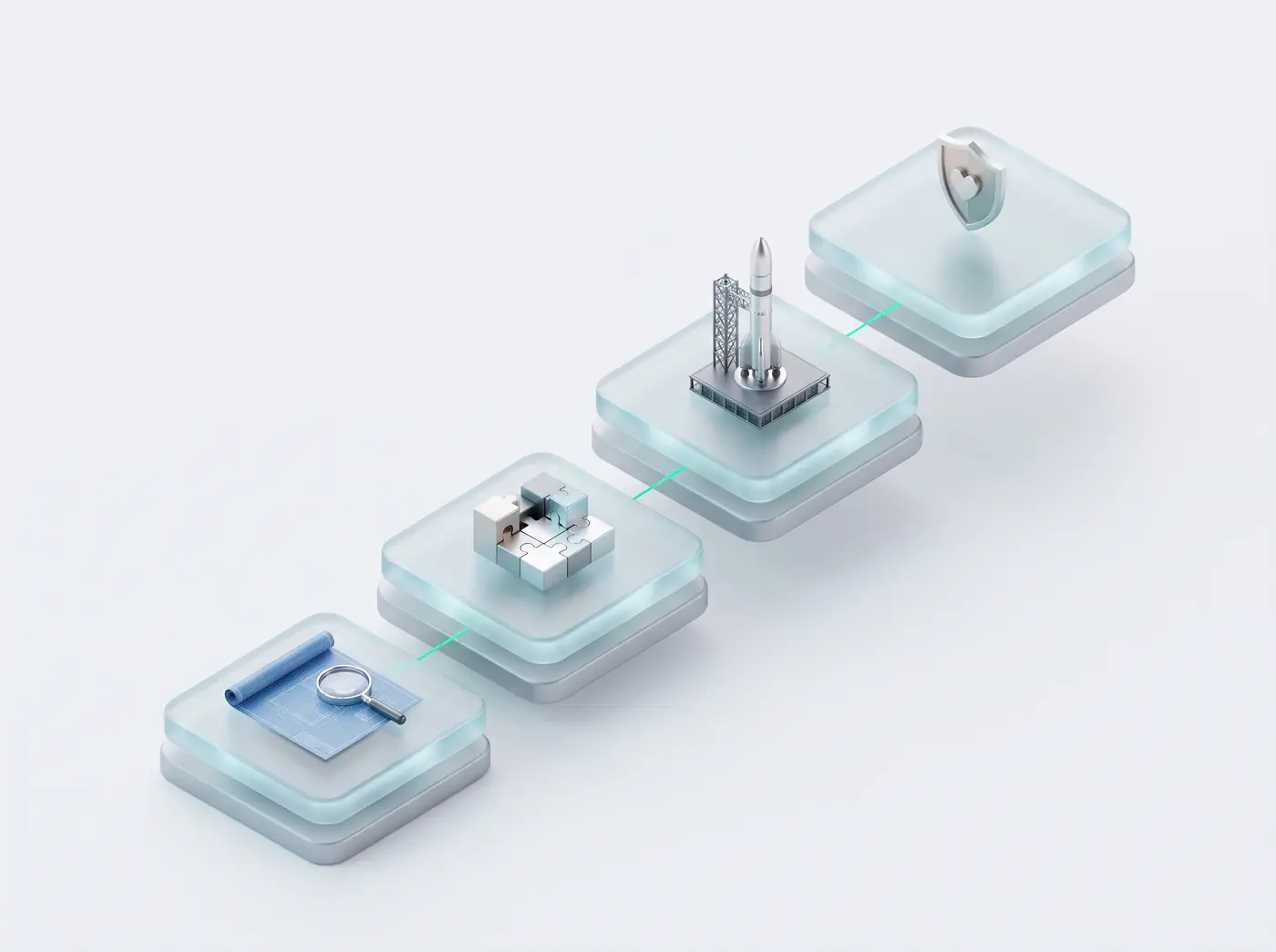
Five layers, one team. Move across the drawing to open it up; move up and down to pick a layer.
01Odoo ERP
We implement, migrate, and extend Odoo so every department runs from one database. Point at a blade to pull it out.
All Odoo services02Applied AI
Document extraction, forecasting, and assistants grounded in your own records, with a person checking anything the model is unsure about.
All AI services03Mobile & web
Interface, logic, offline sync, and the ERP connection, built as layers that can each change without breaking the others.
All web and mobile services04DevOps & cloud
Build, test, and deploy run on every change, with a health check before traffic moves. Hover the belt to slow it down.
All DevOps services[Next-gen, shipped]
Not a roadmap slide. These are things we build today, on boring, reliable foundations. Pick one to see it.
An assistant that reads your Odoo data with the same access rights as the person asking, and shows where every answer came from.
Example screen with made-up data.
[Popular right now]
Odoo
Odoo implementation without the big-bang blast radius.
Discovery sprint → phased rollout → hypercare. Every decision written down.
Odoo
Move to the latest Odoo. Bring everything with you.
Audit first, clean at the source, rehearse twice, keep the old system warm.
AI
Your team didn't go to university to retype invoices.
Extract, validate, route exceptions, learn from corrections.
Web
SaaS products that are still running in five years.
Boring infrastructure, careful tenancy, billing edge cases handled before launch.
Odoo
Your systems should talk. Politely, and with retries.
Define who owns each field. Make every sync idempotent. Monitor the boring parts.
DevOps
Your database is the business. Let's make it hard to kill.
Replicate, pool connections, automate failover, rehearse restores.
[AI, but accountable]
How a document moves through one of our pipelines. You choose the threshold, and the model never gets the last word on something it isn't sure about.
[How we work]
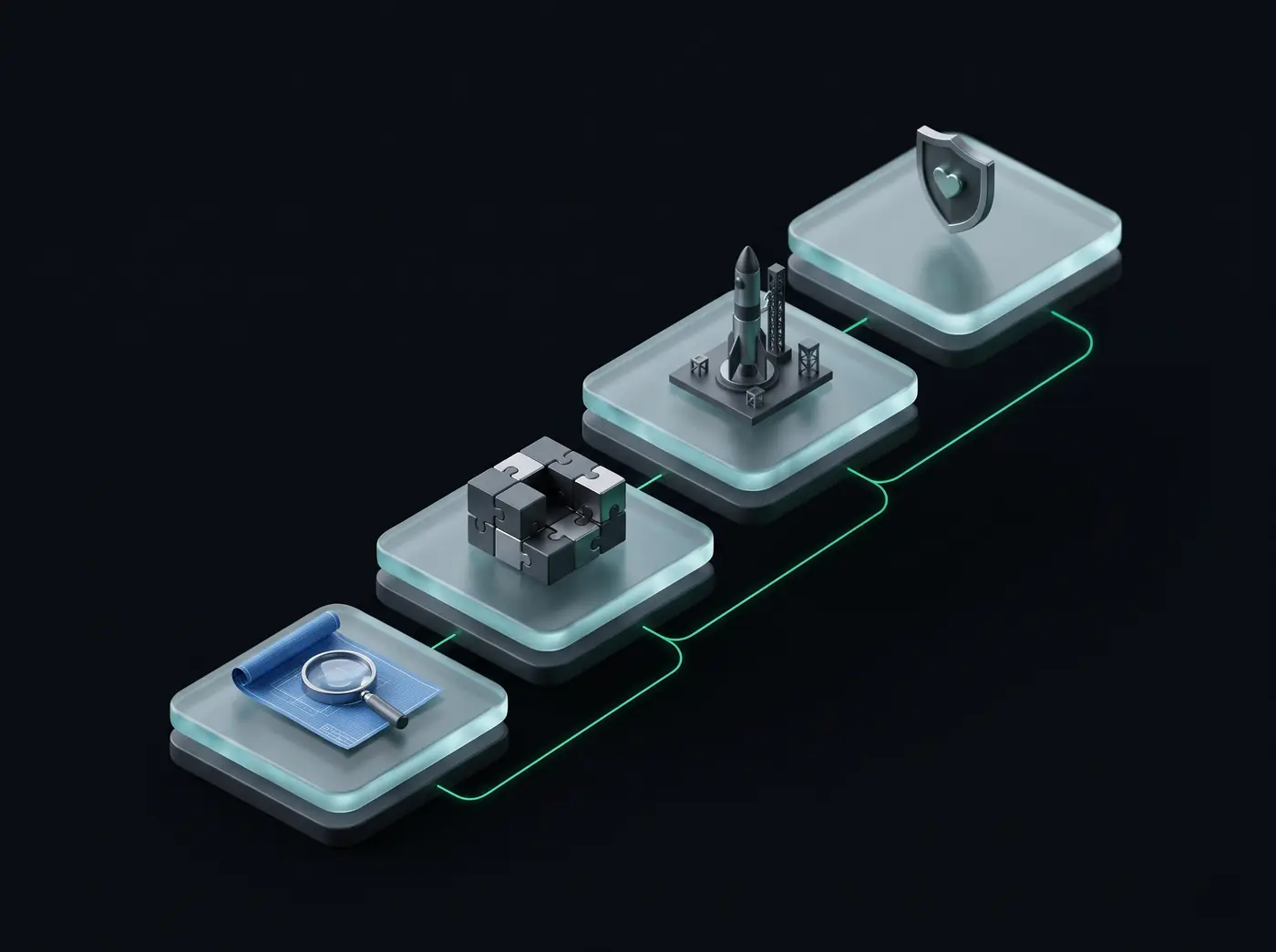
A delivery process designed around the ways software projects usually fail, so yours doesn't.
Two weeks to map workflows, data, and risks. You keep the spec either way.
Two-week sprints with demos. A backlog you can read.
Phased go-live with a rollback plan nobody hopes to use.
Hypercare, then support plans with written scope.
[Under the hood]
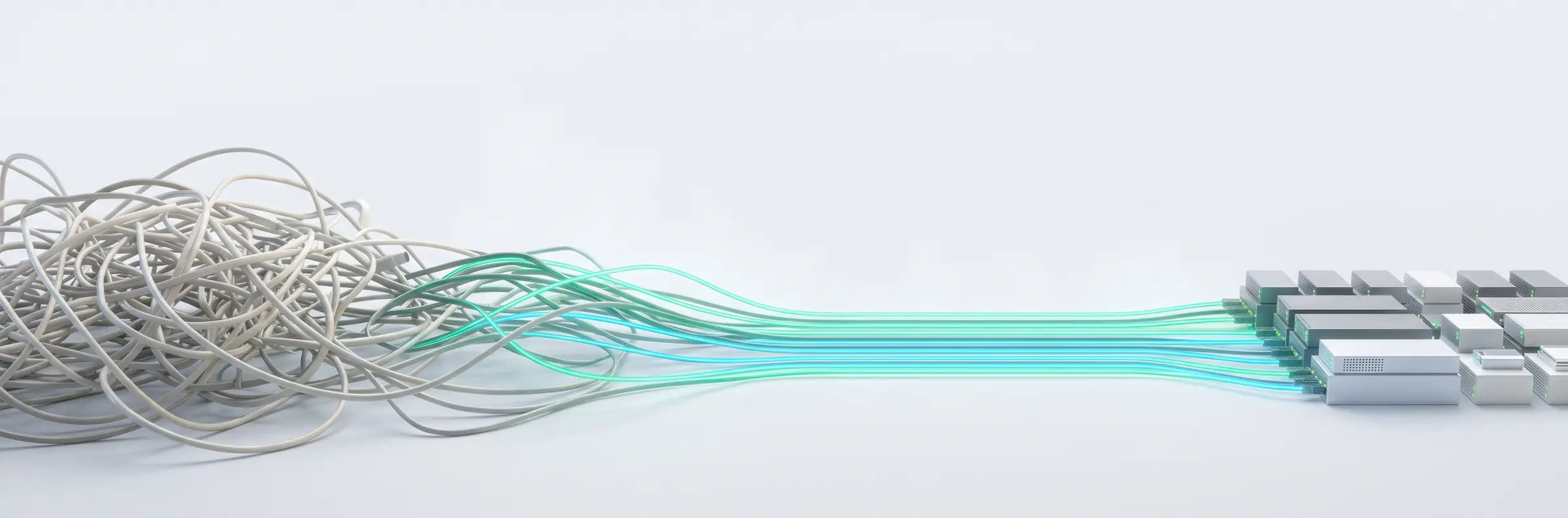
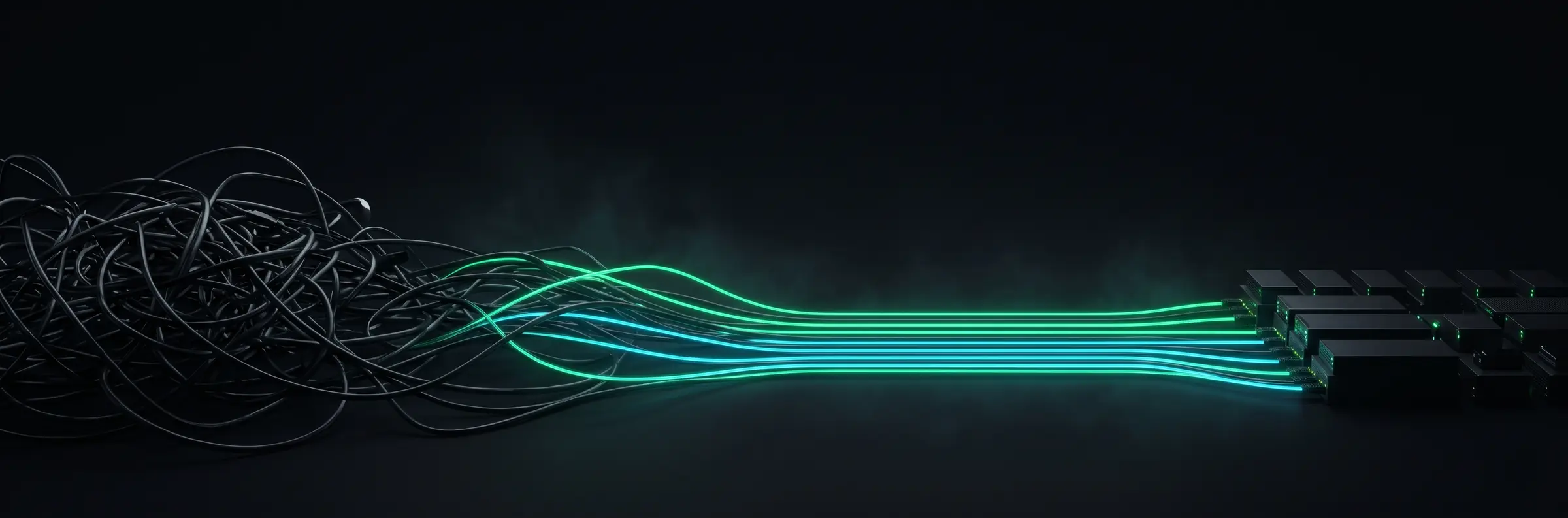
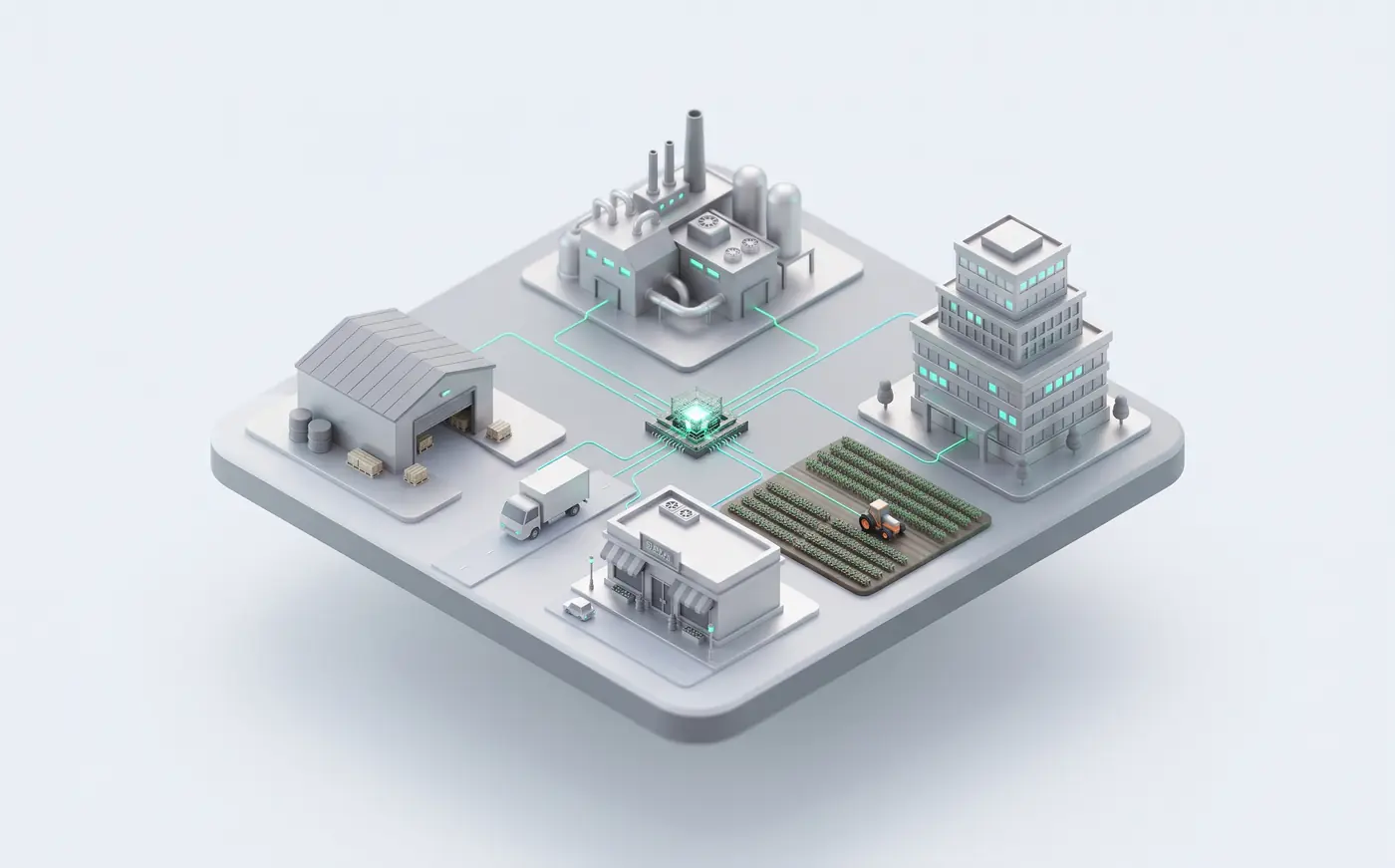
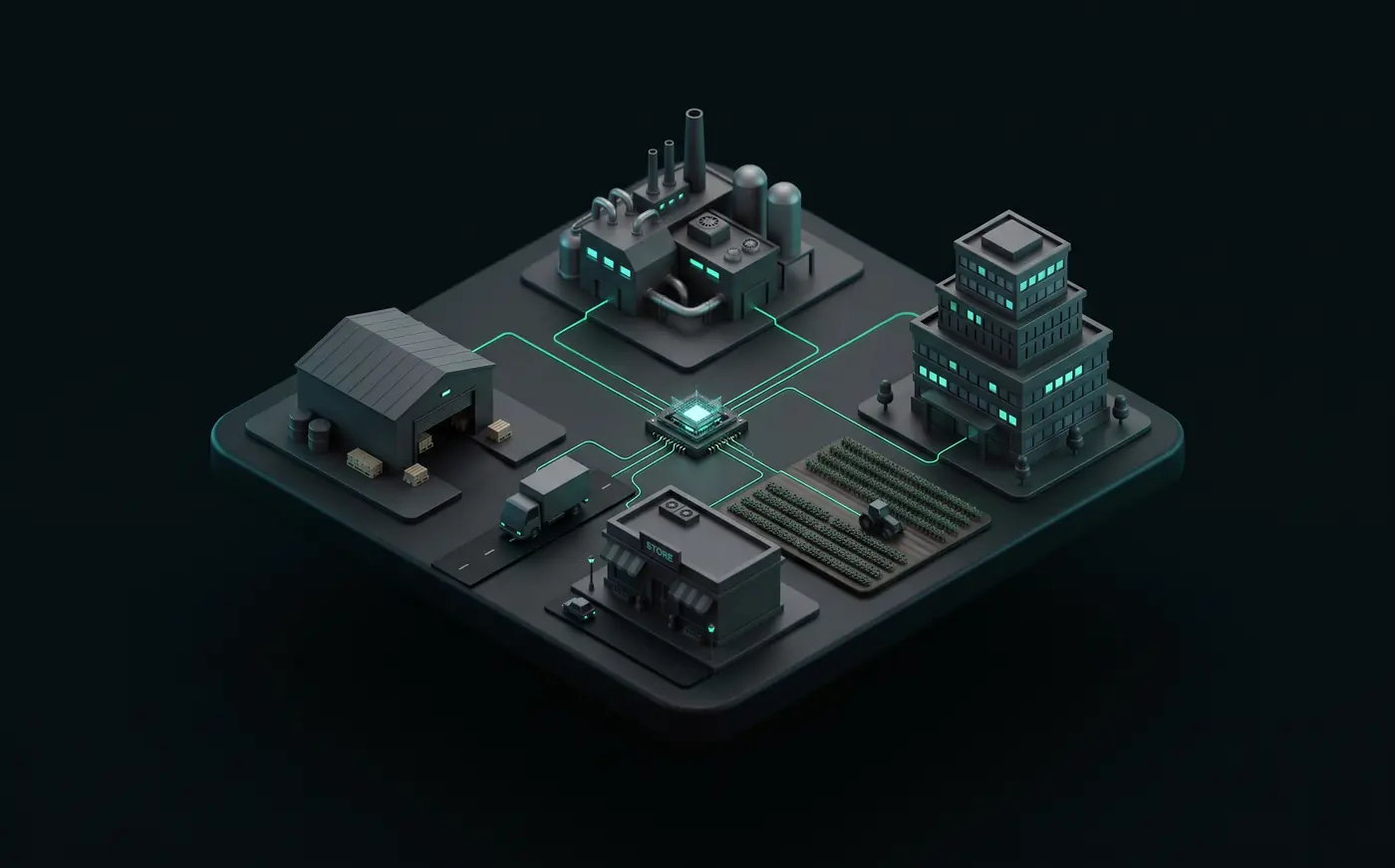
Open-source servers we set up, monitor, and back up, connected to the tools you already use. Every cable is a job nobody does by hand anymore.
[Industries]
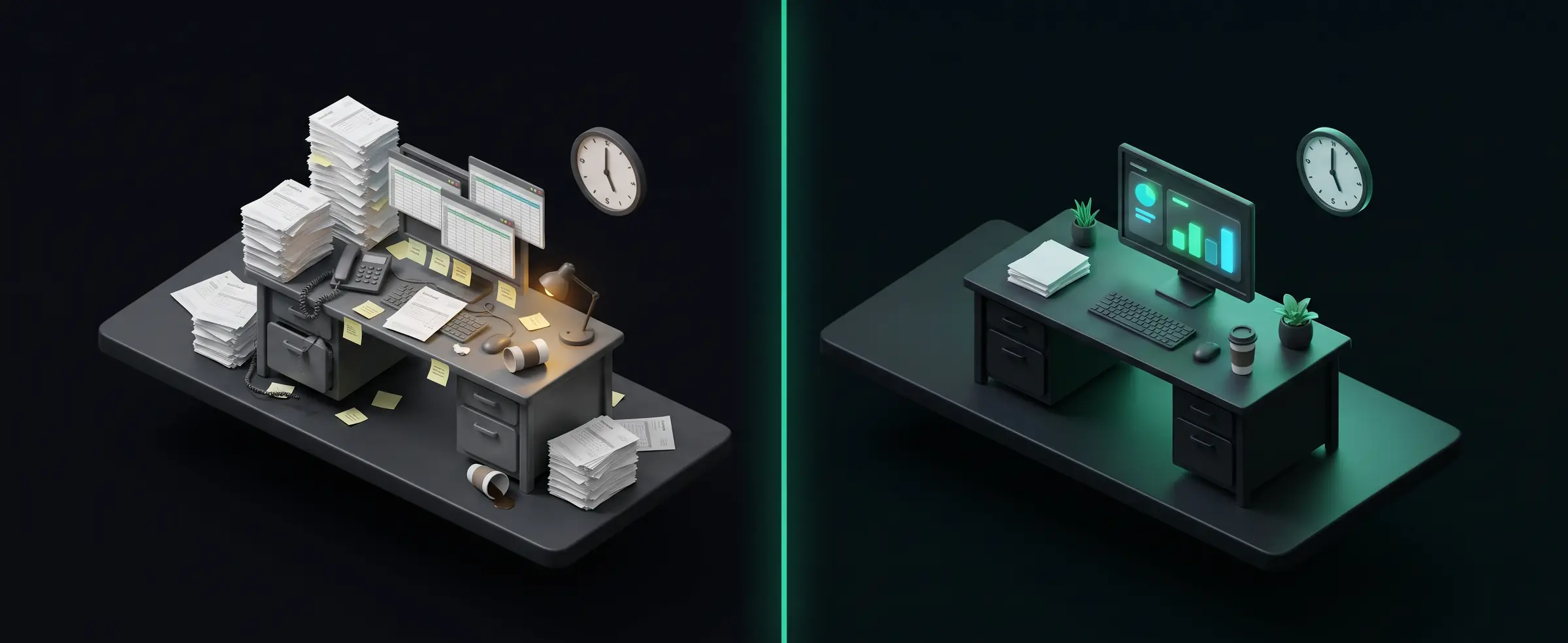
[A Tuesday, rewritten]
Hours of copy, paste, and chase.The system does the work. People check the exceptions.
Export last night's shop orders and paste them into the order sheet.Overnight orders are already confirmed in Odoo.
Phone the warehouse to ask whether the stock is really there.Stock was reserved the moment each order landed. Pick lists are waiting.
Type supplier invoices into accounting, one field at a time.Invoices were read and posted. Two uncertain ones need a quick look.
Chase drivers by phone for proof of delivery.Delivery photos synced from the app as soon as drivers had signal.
Rebuild tomorrow's report by hand and hope the numbers match.The dashboard is already current. Everyone leaves on time.
An illustrative day for a distribution business; yours will have its own versions of these.
[Work]
Client agreements keep project names private, so here's where we've worked instead. Need a system like these? Tell us what it should do.
[On our radar]
Our default choice
On real projects, with care
Exploring, not shipping yet
Not for new work
Myth: We just need one more spreadsheet.
Reality: You need one fewer system of record. Usually it's the spreadsheet.
Myth: AI will figure out our messy data.
Reality: AI is great at reading documents. Cleaning your master data is still a human job, with tools.
Myth: We'll fix it after launch.
Reality: Some things, sure. Data migration and access rights are much cheaper to get right first.
Myth: Kubernetes will make us faster.
Reality: Good CI/CD makes you faster. Kubernetes makes you scalable, eventually, if you need it.
[Our anti-roadmap]
Patch Odoo core
Custom modules only, so your next upgrade is a project, not a rewrite.
Sell you Kubernetes you don't need
One well-run server beats a cluster nobody on your team understands.
Ship AI without an off-ramp
When the model isn't sure, a person decides. Always.
Launch everything at once
Phased go-lives with a rollback plan, so a bad day stays small.
Keep your system to ourselves
You own the code, the cloud accounts, and the documentation.
Sit on bad news
If something slips, you hear it from us first, with a plan attached.
[Insights]
Every team borrows against the future to ship faster. That's fine. The problem starts when nobody checks the statement. Here's how to tell good debt from bad, what the interest really costs, and how to pay it down without stopping the business.
Infrastructure · 8 minKubernetes is brilliant at what it does. It also comes with a lot of moving parts. Here's how to tell whether you need it, or just want the conference sticker.
AI · 8 minRAG gives a model the textbook during the exam. Fine-tuning makes it study beforehand. The right choice depends on what you need it to know, how often that changes, and whether people need to check the answer.
[Ways to work together]
Launches, migrations, and rebuilds with a clear finish line.
A two-week discovery, then a fixed price for a written scope.
Products and systems that keep growing after launch.
A monthly block of development time, planned from your backlog.
Systems already in production that need looking after.
Support plans with response times and scope in writing.
Not sure which fits? Tell us what you're building and we'll suggest one, or compare plans.
[FAQ]
[The whole loop]
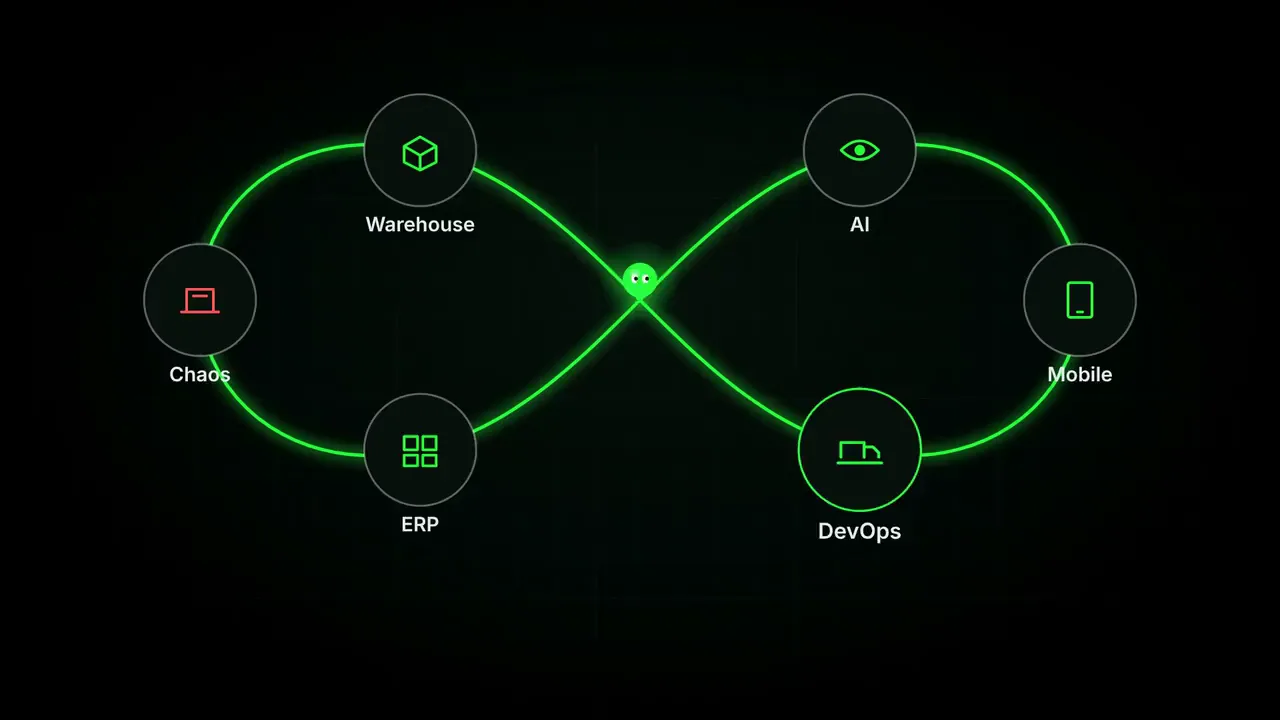
One business, six systems that finally talk to each other. Pick a chapter, or just watch it run.
We don't hand you a tool and leave. We map how your business actually works, build the systems around it, and stay on to keep them fast, safe, and useful.
Tell us what's tangled. A real engineer reads every message and usually replies within 12 business hours.